The Art of Interpretation in Communication
4/20/20261 min read
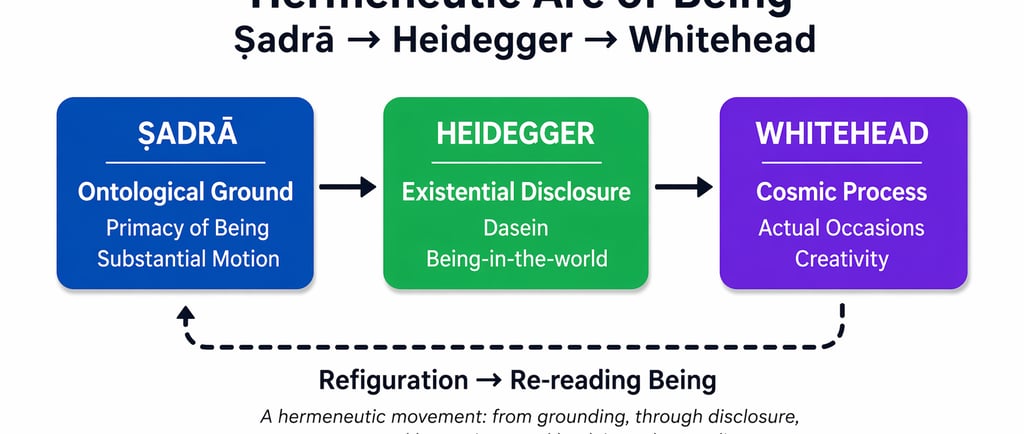
We think we respond to people.
But in truth, we respond to our interpretation of them.
Before our mouth opens, before a smile appears, a silent trial runs inside us: judging without realizing. Is he friendly? Is she distant? Are they in need? Are they a threat?
And our answers to those questions—often wrong—become the basis of our actions.
The tragedy is that repeated interpretations become habits. Habits settle into character. And character slowly shapes who we are in the eyes of the world. Not only how we see others, but how we see ourselves.
So a simple greeting—“Assalamu’alaikum” or “Hello, how are you?”—is never just a formality. It can be a circuit breaker for an automatic, faulty interpretation.
For a moment. We stop judging. We choose to acknowledge rather than reduce.
Try it tomorrow morning: when you greet someone, realize that in that second, you are rebuilding your small world together with them. That is not trivial. That is the quietest form of deep work.
Footnote: The idea that our responses reflect our interpretations rather than reality echoes a long tradition in hermeneutics. Hans-Georg Gadamer (1900–2002) argued that we never encounter the world neutrally; we always bring prejudices—pre-judgments—that shape our perception. But you do not need to remember the name. What matters: your glasses have been on for a long time.
> That was the first door: the awareness that we always interpret, even before we speak. Now we go deeper. Because if interpretation exists, where does it come from?